
A guide to making the most of summer in Tbilisi
Tbilisi’s summer months bring balmy Mediterranean weather to the capital city, complete with temperatures that hover in the low 30s (mid-80s Fahrenheit), long sunny days, and an abundance of things to do outside and indoors. Chill out and learn about Georgia’s art, history, and culture at one of the city’s many museums, take a refreshing dip in nearby waters, relax and listen to some live music, and enjoy all the family-friendly outdoor activities Tbilisi has on offer.
Beating the heat indoors
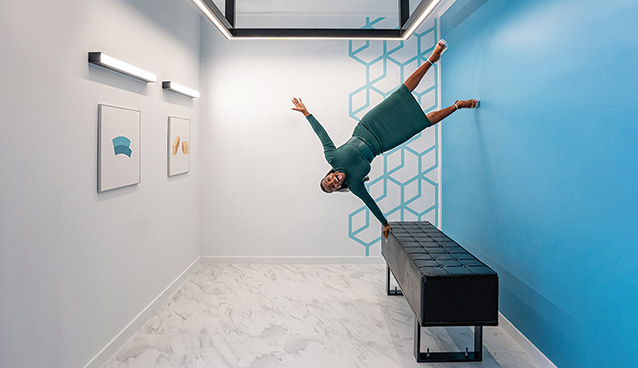
Museum of Illusions. The Museum of Illusions is one of Tbilisi’s lesser-known museums, with interactive exhibits perfect for children and mind-bending illusion rooms, like the reality-distorting Tilted Room, where you feel like you’re not ever standing upright, even though you are. There’s also the Vortex Tunnel, which creates the illusion of spinning in space. This museum is conveniently located near Jerusalem Square, close to the Liberty Square Metro Station but far enough from Rustaveli Avenue that it’s less likely to attract more visitors.
National Gallery of Georgia. Find collections by famous Georgian artists like Niko Pirosmani and Iakob Nikoladze, sculptures, and modern works in this expansive museum that has a substantial permanent collection of 30,000 pieces. Traveling exhibits also pass through the gallery, and you’ll see large banners outside advertising what’s coming next. Plan to spend the better part of an afternoon, or more, if you want to see it all. This museum skews more towards older adults, but teenagers interested in art may find it engaging too.
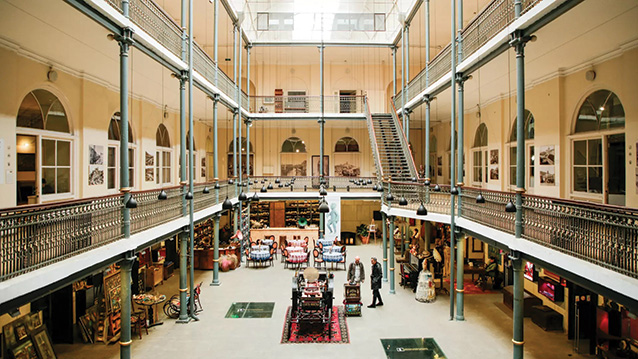
Tbilisi History Museum. Tbilisi was one of the stops on the Silk Road, so this museum starts there, with plenty of preserved relics that date back nearly 600 years. It has 50,000 artefacts, so you’ll be there a while, but everything is laid out logically and, for the most part, chronologically. One of the most fascinating and somber parts of the museum is the Museum of Soviet Occupation, where you can see the recent tumultuous history of Tbilisi, and Georgia in general. The Tbilisi History Museum is family-friendly, with plenty of interesting exhibits to keep the kids engaged, but some subject material, particularly pertaining to Soviet occupation, may be a bit heavy for the youngsters.
Enjoy family fun outside
Mtatsminda Park. Towering over Tbilisi, Mtatsminda Park is a cool summer destination for families with rides for kiddos and adults alike, including a rollercoaster and the famous Ferris wheel that gives you a complete panoramic view of central Tbilisi below. If you’re feeling extra ambitious, you can climb Mtatsminda through a series of well-marked trails from Sololaki or Turtle Lake, or you can also take the Mtatsminda Funicular, which is a fun, family activity in and of itself. It’s a nice place to go at sunset for epic views. Mtatsminda Park also has regular live music, including big band and jazz concerts on the weekends, and summer festivals, including the annual Ice Cream Festival on July 12 and the Cheese Festival, which generally happens in August but doesn’t have a set date yet.
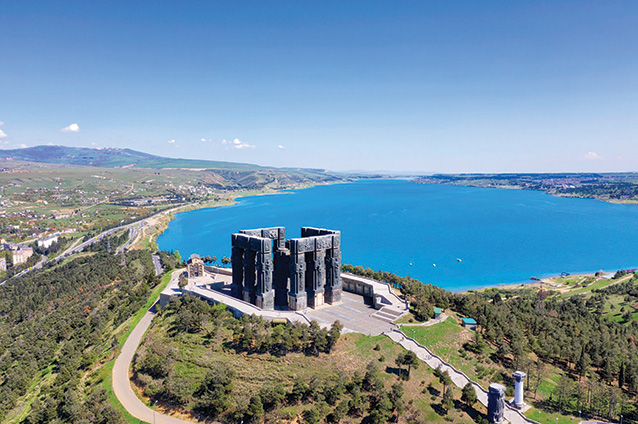
Chronicles of Georgia. Although the Chronicles of Georgia, which tower over Tbilisi Sea, look ancient, they were actually erected in 1985 to document the proud history of the country. This massive monument made of sixteen distinct pillars highlights 3,000 years of history, paying homage to St. Nino and Georgia’s adoption of Christianity and key historical giants like King Tamar. Visit the Chronicles of Georgia at night, and you’re bound to get some spectacular photos of the sunset over the Tbilisi Sea. It’s also an ideal stop before heading down to Tbilisi Sea for a swim or a relaxing evening by the water.
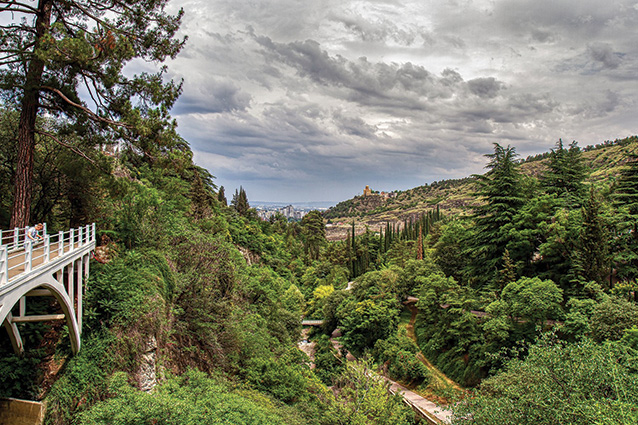
Botanical Gardens. You can enter Tbilisi’s Botanical Gardens from the Abanotubani spa district or by taking the cable cars from Rike Park to the Narikala Fortress area and visiting them from above. Once you’re inside, you’ll find long, winding paths flanked on either side by over 4,000 different types of flora, charming water features, and even a waterfall. This sprawling area spans almost 400 acres and takes a full afternoon to visit properly. Make sure to visit Kartlis Deda, or the Mother of Georgia, before or after your visit. Rendered in gleaming aluminum and standing a full 20 meters high, she holds a cup of wine in one hand and a sword in the other. The combination of wine and sword represents Georgian hospitality and Georgia’s fierce inclination to defend itself from threats.
Open Air Museum of Ethnography. The Open Air Museum of Ethnography is just outside the city center, close to Turtle Lake, and is an excellent spot to learn about the different cultures and ethnic groups that make up Georgia. Covering 52 hectares, it has 8,000 artifacts, recreated houses and towers, and smaller exhibits of local crafts from regions like Svaneti, Adjara, and Imereti. It’s a good way to get a swift overview of Georgia’s diversity. From July 23 to 26, the museum hosts the annual Art-Gene Festival, which is one of Georgia’s premier cultural events featuring music, local traditions, and authentic folk culture.
Live music and patio vibes
Fabrika. Fabrika is a former sewing machine factory reborn as one of Tbilisi’s hippest hostels with a huge courtyard full of funky shops, restaurants, and bars. It’s decked out with twinkling lights and a disco ball, tons of street art, and plenty of tables and benches where you can soak up the summer breeze. Many of Fabrika’s courtyard bars feature live music that you can enjoy in the venues or relaxing outside. No matter what’s on the agenda or what day of the week, there’s always something going on at Fabrika, like twice-a-week workshops at Magnolia Film Lab on Wednesday and Friday, monthly outdoor markets, and free walking tours.
Deda. Deda is Tbilisi’s answer to Budapest’s ruin bars, with a full barbeque pit and arena seating inside the charming ruins of a former house. During the summer, the ivy blooms up the walls, and there are plenty of feline friends strolling around looking for scraps of mtsvadi (roasted meat). Deda has a solid Georgian menu, a decent wine list, and good beers on tap and is the ideal place to spend a summer evening. It’s also only about 15 minutes away from Dedaena Park, one of Tbilisi’s best outdoor areas. The park is also home to Tbilisi’s annual Beer Festival, which occurs during early fall every year.
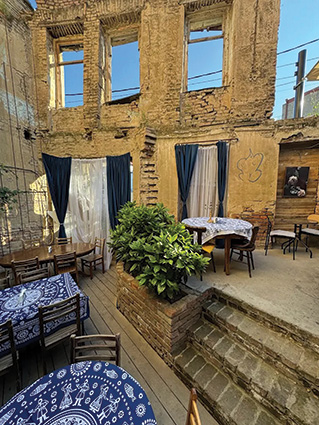
Mtkvarze. Mtkvarze is one of Tbilisi’s best indoor/outdoor clubs and a phenomenal place to enjoy music and a cool river breeze. It’s an interesting spot, with both modern and retro touches and a walled courtyard. You’ll be able to hear the music wherever you are, and if you opt for the courtyard, there’s a good chance you’ll run across a food vendor or two.
Cool off in the water
Tbilisi Sea. Tbilisi Sea is a human-made reservoir perfect for all manner of watersports, with long, sloping beaches where you can chill on the sand or hop into the shallows for a quick dip. It’s fairly built up with beach clubs, bars, and restaurants, and a nearby waterpark called Gino’s Paradise with a lazy river, wave pool, and slides.
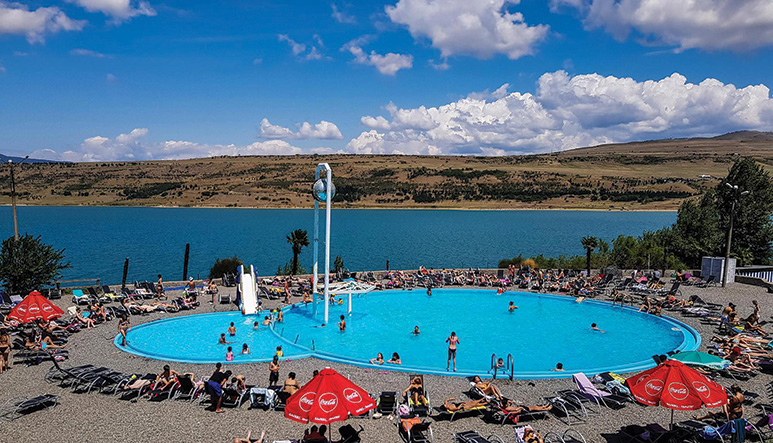
Turtle Lake. The easiest way to get to Turtle Lake is via cable car in Vake, but you can also take a Bolt, or even hike there from Mtatsminda Park along well-marked routes. This small lake is great for sunbathing, swimming, and recreational water sports, and it’s got a plethora of bars, restaurants, and cafes. A paved route runs the perimeter, good for biking, running, and walking. During the summer it gets packed, so if you want more of the lake to yourself, visit in the earlier part of the day. Plus, it’s cooler!
You can also chill out at one of Tbilisi’s hotel pools, like the Holiday Inn Tbilisi with day passes starting around 70 lari, the Radisson Blu Iveria, with an average day pass cost of 100 lari, and the Sheraton Grand Tbilisi Metechi Palace, at 180 lari for a weekday pass.
Summertime is when Tbilisi truly opens up. There’s greenery all around, live music pours out of the cafes and restaurants, and outdoor hiking and swimming reach their peak. Indoor spaces and museums offer a quiet and cool refuge to avoid midday sun and get a crash course in Tbilisi culture and history.