
A taste of place: how gastronomy is redefining tourism in Georgia
From the dramatic peaks of the Caucasus and the vineyards of Kakheti to the cobbled streets of Tbilisi and the Black Sea coastline of Adjara, Georgia has long been celebrated for its natural beauty. But increasingly, it is not just the views drawing visitors—it is what’s on the table.
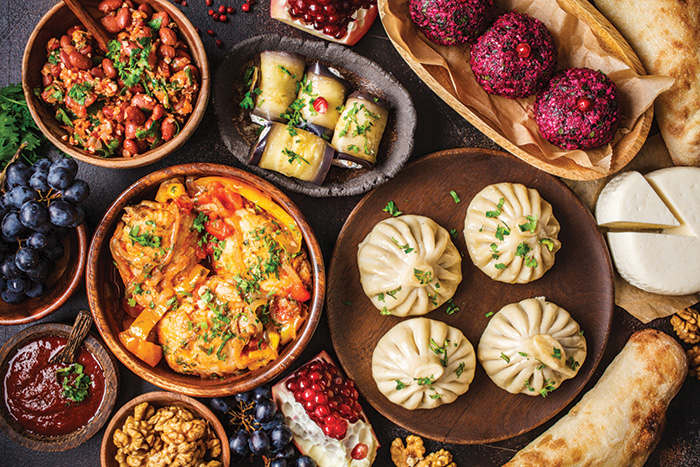
Wedged between the Greater and Lesser Caucasus mountains and bordered by the Black Sea, Georgia’s diverse landscapes have made it a natural magnet for tourists. Yet while the country’s scenery has historically defined its tourism narrative, a quieter transformation is underway—one led by food.
Tourism continues to play a central role in Georgia’s economy. According to official statistics, the country welcomed more than 5.5 million tourists in 2025, an 8.4% increase on the year prior. Tourism revenue also reached a record high of $4.7 billion (up 6% YoY) and contributed significantly to its GDP, accounting for around 12.3% of total economic output.
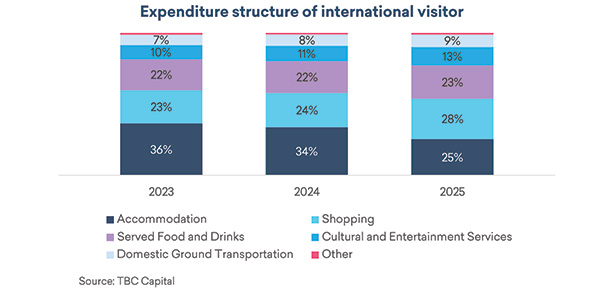
Food and beverage expenditures accounted for 23% of total international tourist spending in 2025—GEL 3.5 billion out of GEL 15 billion—underscoring gastronomy’s central role in the visitor experience.
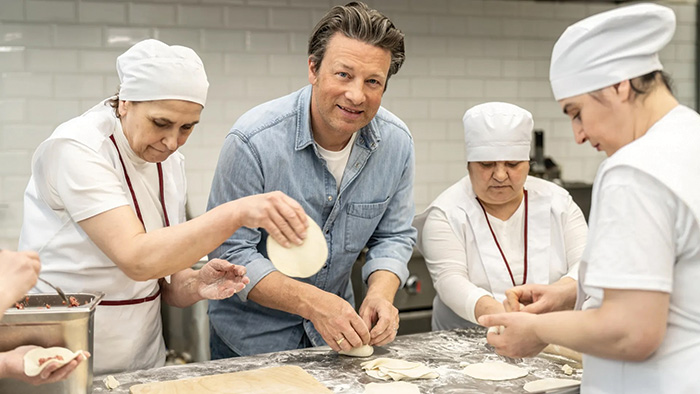
Recognizing gastronomy’s growing influence, the Georgian National Tourism Administration (GNTA) has increasingly positioned it as a strategic growth driver, integrating food more prominently into its international marketing efforts. The agency signed a year-long campaign with celebrity chef Jamie Oliver to promote Georgian cuisine to global audiences. Launched in mid-2024, the initiative included 20 BBC-produced videos and leveraged Oliver’s extensive social media reach to showcase the diversity of Georgia’s regional cuisines.
A cuisine finds its global stage
Georgian cuisine is stepping onto the international stage. Once largely confined to diaspora communities, it is now gaining traction in major global cities. New Georgian restaurants have opened across London, Madrid, Copenhagen, and New York in recent years, while others have earned recognition in the Michelin Guide, including Bib Gourmand distinctions—highlighting the cuisine’s bold walnut sauces, herb-forward profiles, and communal spirit in refined settings.
This momentum is also reflected in global rankings. According to TasteAtlas 2025/26, Georgian cuisine ranks 21st among the world’s top 100 cuisines, with Adjarian khachapuri named the world’s best savory pie.
Wine, however, remains Georgia’s most enduring culinary ambassador. With an 8,000-year-old winemaking tradition—recognized by UNESCO as intangible cultural heritage—Georgia has leveraged both history and innovation to build global recognition. Georgian wines continue to perform strongly at international competitions. At the Decanter World Wine Awards, Georgian producers have consistently secured gold and platinum medals in recent years.
Together, cuisine and wine are reshaping Georgia’s international brand—transforming it from an emerging destination into a distinct culinary identity.
Gemo Fest: showcasing Georgia’s regional cuisines
As global interest in Georgian cuisine grows, efforts are underway to translate that attention into broader tourism gains. While international interest in Georgian food is rising, visitor flows remain heavily concentrated in a few established destinations—highlighting the need to better connect culinary appeal with regional tourism development.
Gemo Fest was created to address this imbalance by redirecting attention—and economic benefits—toward lesser-visited regions. Organized by the Georgian National Tourism Administration, the festival operates as a series of regional gastronomic events held across the country, including in Imereti, Guria, Samtskhe-Javakheti, Racha, and Svaneti. It brings together local producers, family-run businesses, and traditional cooks to showcase regional specialties, encouraging both domestic and international visitors to explore Georgia beyond its primary tourism hubs. By combining food, live music, and local hospitality, Gemo Fest not only promotes regional cuisine but also helps distribute tourism revenues.
Now in its fifth season as of February 2026, the festival has evolved into a key platform for regional tourism development. Its most recent edition in Mestia marked the third time the event has been held in Svaneti, featuring 16 local entrepreneurs—half of them new participants—offering traditional Svanetian dishes. Over time, the festival has engaged dozens of small businesses, many of whom have leveraged participation into sustainable income streams.
Held on February 21–22 in Seti Square, the Mestia edition coincided with the Freeride World Tour Georgia Pro 2026, drawing visitors to the high-mountain destination. Visitors sampled authentic Svanetian dishes prepared by local chefs, home cooks and families—think kubdari (meat-filled bread), hearty soups, cheese-filled breads, and other traditional specialties that highlight the region’s unique mountain flavors. Stalls featured local wines and drinks alongside the food, while live music and DJ sets kept the energy high amid the dramatic backdrop of snow-covered peaks and ancient towers.
As Head of the Georgian National Tourism Administration Maia Omiadze noted in remarks to Georgian Public Broadcaster 1TV, the festival’s impact extends beyond the event itself: “We have participants who partook in the Gemo Fest event with their dish ideas and recipes, who afterwards turned their cooking into business opportunities.”
By providing direct access to visitors, Gemo Fest supports small producers and stimulates local economies through increased spending on food, accommodation, transport, and related services. Reflecting anticipated demand, additional flights between Natakhtari and Mestia were scheduled during the festival period, further underscoring its growing role in driving regional tourism.
Regional tourism: opportunities and challenges
Yet while initiatives like Gemo Fest are helping redirect attention toward lesser-visited regions, structural challenges continue to limit their ability to sustain consistent tourism flows. Despite record national figures, demand remains concentrated in established destinations, with regions such as Svaneti still struggling to convert interest into stable year-round occupancy.
Recent trends in Mestia highlight this gap. As of late March 2026, demand for the upcoming summer season remains significantly softer than expected, with some hotels reporting only around 20% of rooms booked. Although new road rehabilitation projects covering sections of the Zugdidi–Jvari–Mestia–Lasdili highway were completed in late 2025, and events like Gemo Fest have helped boost visibility, these efforts have yet to translate into strong forward bookings for peak summer months—raising concerns about a challenging upcoming high season.
Local operators point to a combination of factors. Infrastructure constraints remain a key barrier, particularly poor road conditions, which continue to deter visitors and lead to cancellations when access is disrupted. Seasonal volatility adds further pressure: a delayed start to the winter season due to insufficient snowfall resulted in early cancellations, before occupancy rebounded to around 80% once ski conditions improved in late January and February.
At the same time, a more gradual shift may be emerging. Hoteliers report rising interest and early bookings from Asian travelers, pointing to the potential for growth among longer-haul, experience-driven visitors drawn to Georgia’s mountains, cuisine, and cultural heritage. However, for now, this remains an emerging trend rather than a stabilizing force, underscoring the broader challenge of translating episodic demand into consistent, sustainable growth across the regions.
Beyond the plate
Since its launch in 2022, Gemo Fest has rotated across regions—from early editions in Ambrolauri and Mestia to events in Imereti, Guria, Samegrelo and beyond—establishing itself as a year-round platform for showcasing local cuisines and redistributing tourism flows. Positioned as a series rather than a single event, it reflects a broader strategic shift toward organizing demand across seasons and geographies.
This approach sits within a wider portfolio of initiatives led by the Georgian National Tourism Administration. Alongside Gemo Fest, the agency supports a range of cultural and gastronomic events—from the Tsinandali Festival and Rtveli harvest celebrations to the New Wine Festival, Tbilisoba, Batumoba, and the Georgian Cheese Festival—each contributing to a more diversified tourism offering.
Taken together, these efforts reflect a shift toward extending the tourism season, broadening Georgia’s appeal, and encouraging visitors to move beyond established hubs. For a sector that remains a critical pillar of the economy, the ability to translate global interest—particularly in cuisine—into sustained regional development will be key.